Southern pine beetle and dying pines
How to read a fading pine, and what the Georgia Forestry Commission recommends.
When a pine in a Columbus yard turns brown, the southern pine beetle is the first suspect. The Georgia Forestry Commission says the insect is hardly bigger than an eye gnat, yet it does more damage to Southeastern forests than any other. It has killed over $254 million worth of pine trees in Georgia since 1972, by the Commission's count.
Why it matters right now
Dr. Elizabeth McCarty of UGA's Warnell School reports that spot counts stayed lower from the mid-1990s on, then climbed in 2023 and 2024. The Commission says Piedmont populations reach epidemic levels every six to 10 years, Coastal Plain outbreaks are more sporadic, and an outbreak may persist for one to three years.
How the tree dies
The beetles bore winding S-shaped egg galleries under the bark that girdle the tree, and they carry blue stain fungi that clog its water-conducting tissue. They usually go after stress-weakened trees, but at epidemic levels they attack healthy pines too.
Signs to look for
- Pitch tubes: resin lumps about the size of popcorn, often tucked between bark plates.
- Boring dust (frass) on the bark and at the base.
- A fading crown going pale green, then yellow, red and brown.
- No pitch tubes? Drought-stressed pines may not make them, so the other signs count.
Not every dead pine was killed by southern pine beetles, the UGA article cautions; other insects move into declining trees. A GFC county forester can confirm what you have.
Which pines
The Commission says the beetle attacks and kills all southern yellow pines in Georgia. Loblolly, shortleaf and Virginia pines are the most susceptible; white, slash and longleaf pines are listed as the most resistant.
What gets cut
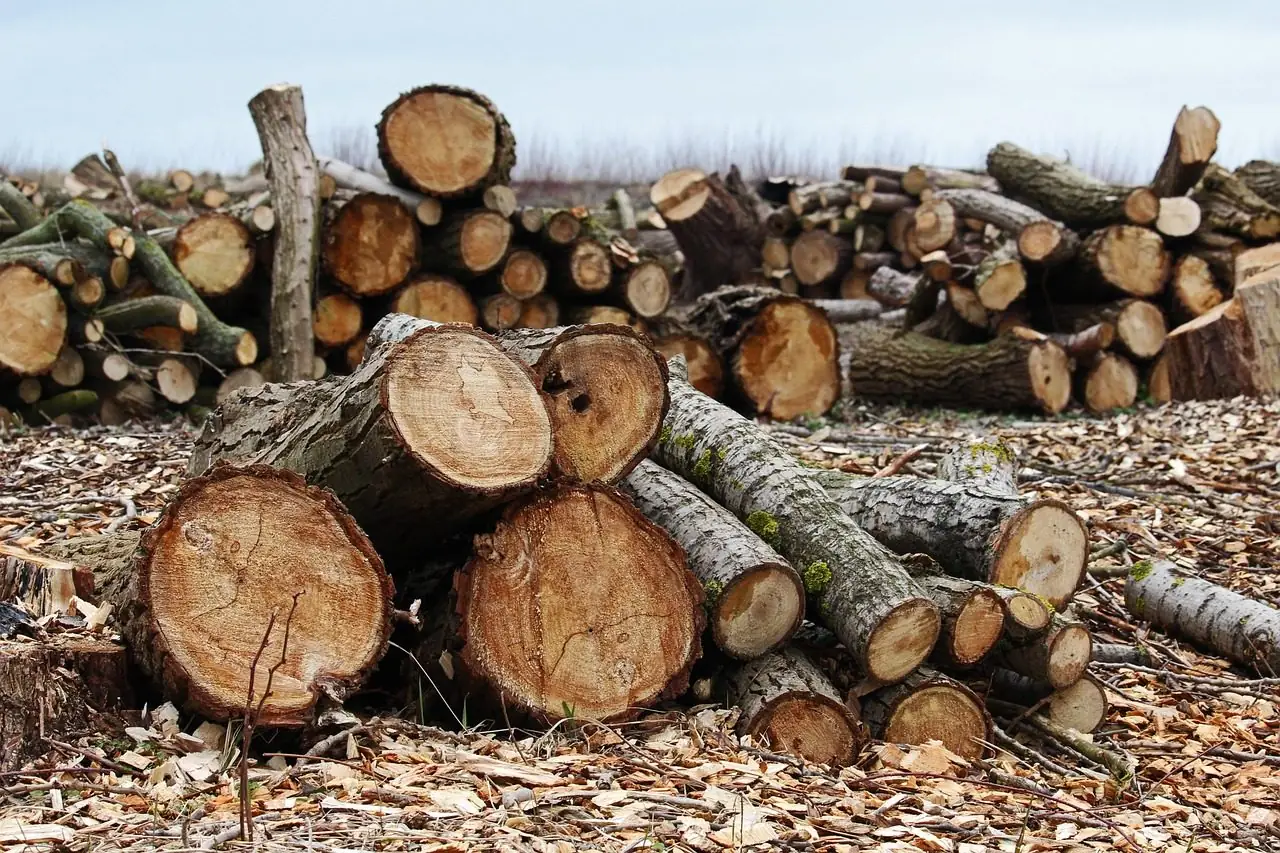
The Commission's two suppression options are cut-and-remove, or cut-and-leave with piling and burning if needed. Either way, green pines at the advancing edge of the spot come down too, in a strip whose width matches or exceeds the height of the infested trees. It generally does not recommend insecticides. On a home lot, that can mean losing green pines that stand beside the brown ones.
Timing
The Commission sets about 50 pheromone traps each spring to predict beetle activity, and its aerial surveys start in early summer, during peak activity. Thinning and other steps that keep pines vigorous work best while beetle numbers are low. For a single dead pine near a house, UGA's advice is simpler: dead pines are a safety hazard and should be removed by a qualified professional.
Help from the state
The Commission's Southern Pine Beetle Prevention and Restoration Cost Share Program helps landowners in specified areas with thinning, release, prescribed burning, planting and longleaf establishment. To ask a forest health specialist, use the Commission's county contacts or its general line, 1-800-436-7442.
Common questions
What does a pine beetle attack look like?
The Georgia Forestry Commission lists pitch tubes and boring dust on the bark and needles turning pale green to yellow to red, then brown.
Why cut green pines next to the dead ones?
Beetles move outward from a spot into healthy-looking pines, so the Commission's methods take down a strip of green pines at the advancing edge, no narrower than the infested trees are tall.
Get a dying pine looked at
Phone us, or use the form, and a contractor based near Columbus will arrange to see the tree and give you a number. Nothing is charged for that.
If the voicemail picks up, say your street, what kind of tree it is, and whether it's still standing or already down.