Tree Removal in Columbus, GA
A pine browning from the top down, an oak leaning toward the roof, a stump the mower keeps finding. Describe it once, by phone or form, and a tree contractor who works the Columbus area calls you back to look and price it.
- Dead and leaning trees
- Storm cleanup
- Stump grinding
- Trimming
- Lot clearing
How a request works
One request, one contractor, a real number
- You describe the tree. Species if you know it, rough height, what it could land on, and whether a truck can get close.
- A local contractor gets it. Your details go to one tree removal contractor serving Columbus and the towns around it.
- They call, look and quote. Price, schedule and haul-off are between you and them. Nothing is booked until you agree.
Rather talk it through? Call (706) 685-6030
Tree work around the Chattahoochee Valley
What people here ask for most
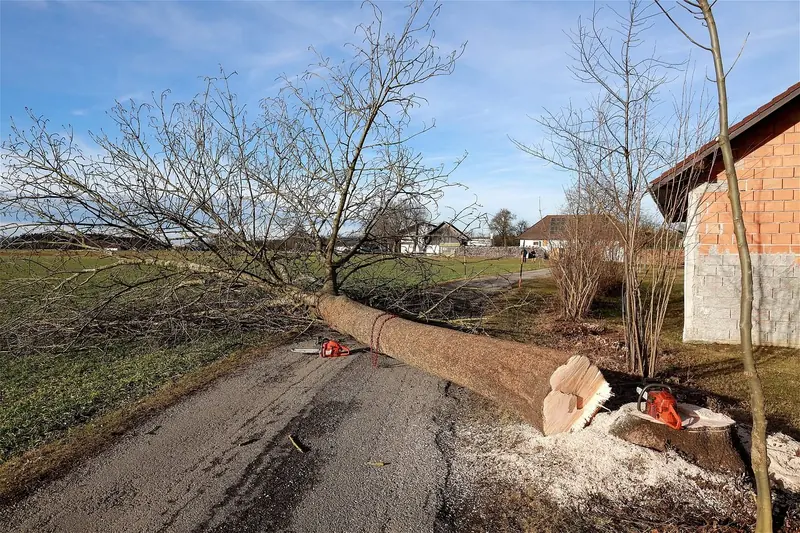
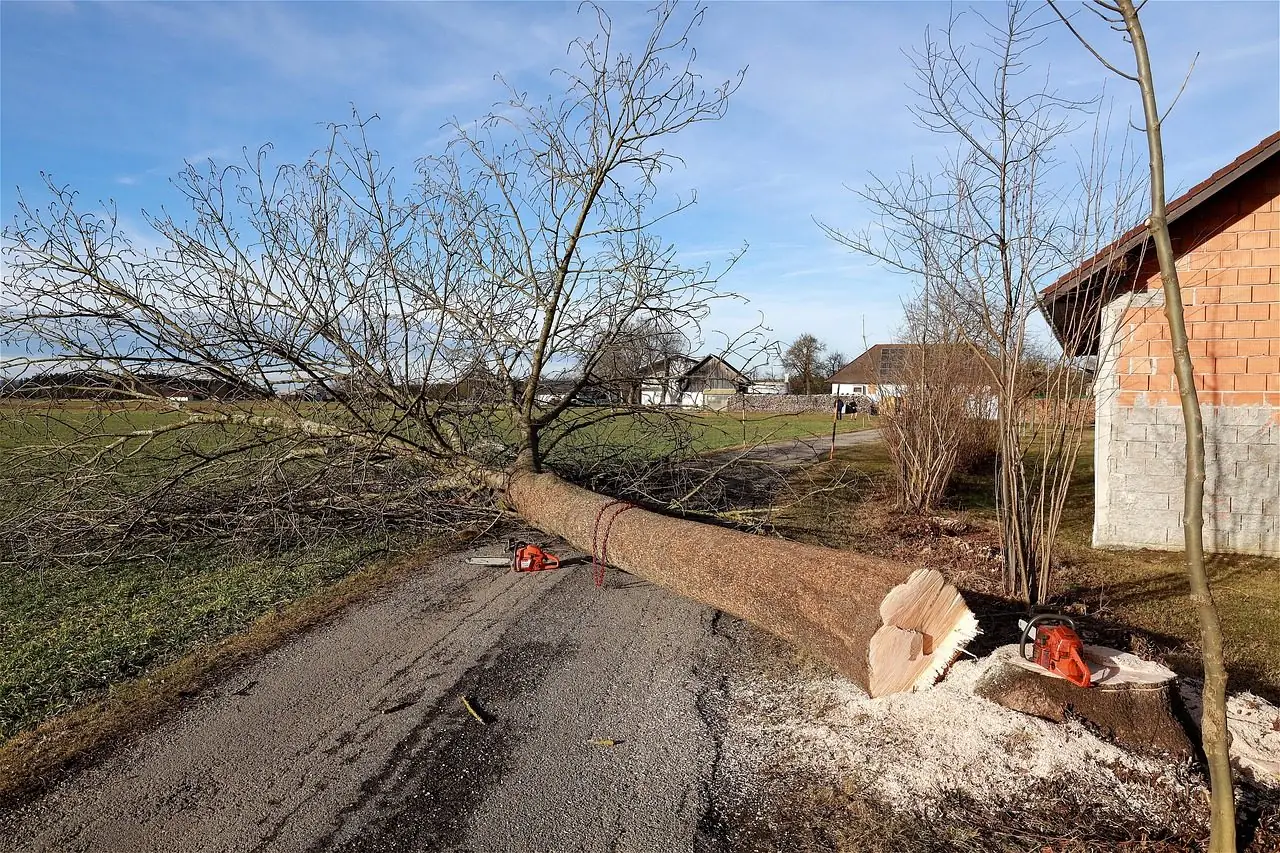
Tree removal
Dead, leaning or crowding trees, from small yard trees to tall pines over a roof.

Storm and fallen trees
Trees on a house, fence or drive after a tornado warning or a summer squall line.
Stump grinding
Grinding below grade, and the Georgia 811 ticket that should come first.
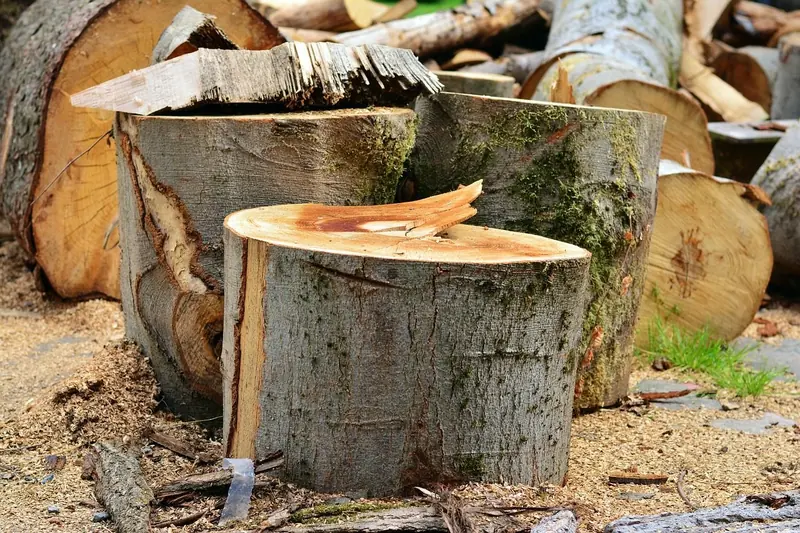
Trimming and pruning
Deadwood, roof clearance and limbs over the drive, kept clear of the wires.
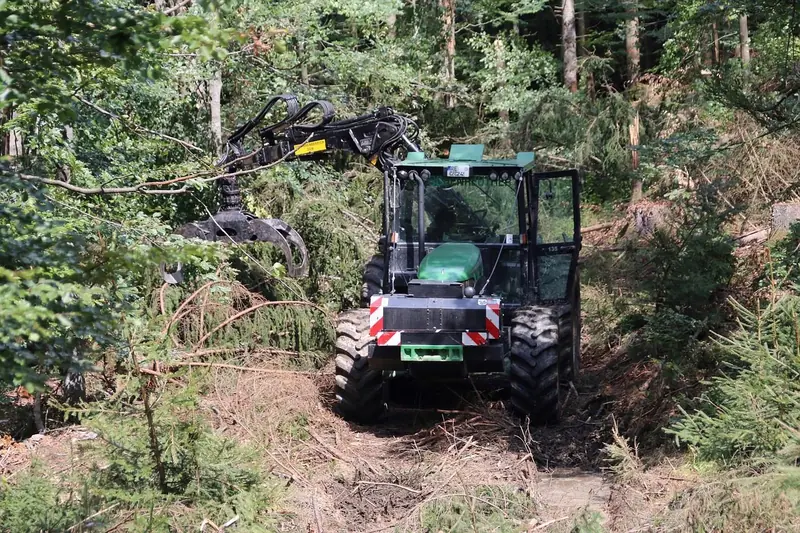
Lot and land clearing
Wooded lots and acreage in Muscogee and Harris counties, with the city's tree ordinance.
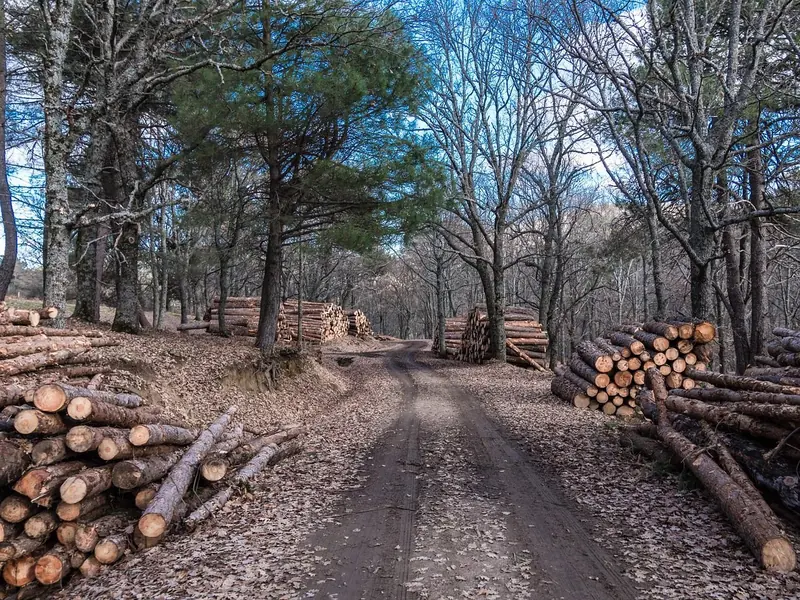
Pine beetles and dying pines
How to read a fading pine, and why a beetle spot is cut with a green buffer.
What shapes a tree job in Columbus
Tree removal in Columbus, GA might start with a storm that left something hanging, a pine that has gone brown, or a tree that has simply outgrown the spot it was planted in. The questions that follow are much the same either way. What will it cost, can it come down without hitting anything, does the city have a say, and where does the wood go once it's on the ground? This page walks through each, using the city's own rules and published prices, so the conversation with a contractor starts from facts.
Storms leave the most urgent jobs
The tornado of March 3, 2019, the one that killed 23 people in Lee County, Alabama, crossed the Chattahoochee into Muscogee County and was rated EF1 there, downing numerous trees, before reaching low-end EF3 between Barin and Fortson and EF2 in Harris County. The city's release that day described trees and power lines down throughout Columbus, with the north side hit hardest, estimated at least four to six weeks of citywide storm cleanup, and suspended its paid tree pickup so debris could go to the curb free. It did the same after storm damage in February 2019 and again in April 2025, when damaging storms hit the Midland area. A tree on a roof or across a driveway is the kind of job where a storm removal crew with rigging earns its fee.
Pines are the tree to watch
The Georgia Forestry Commission ranks the southern pine beetle as the Southeast's most destructive forest insect, and it attacks all of Georgia's southern yellow pines, with loblolly, shortleaf and Virginia pines the most susceptible. Activity has climbed: Dr. Elizabeth McCarty of UGA's Warnell School reported 273 beetle spots documented by the Commission in 2023 and over 1,600 in 2024. A pine whose crown fades from green to yellow to red to brown is a hazard to plan around, and UGA's advice is that dead pines should be removed by a qualified professional. More on reading a dying pine.
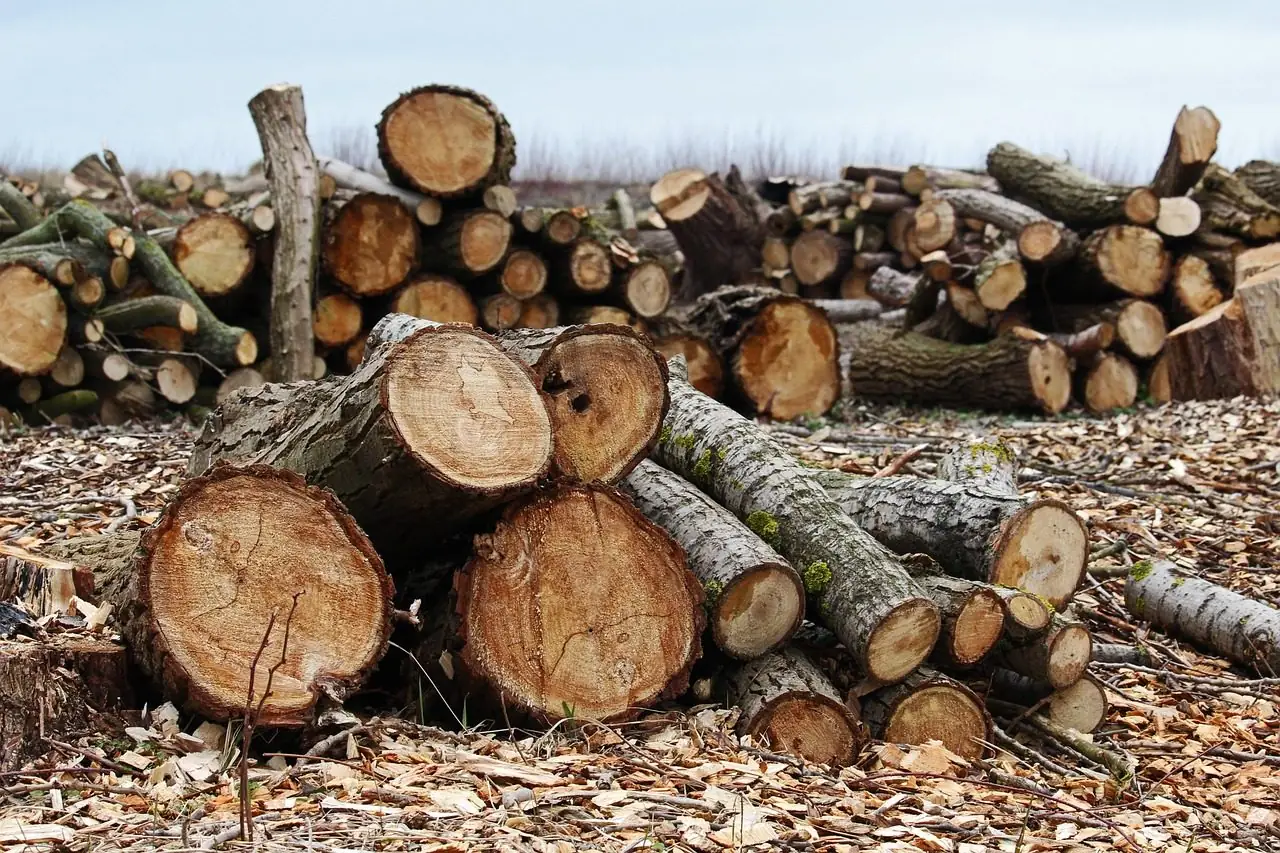
What removal tends to cost
No published price list exists for Columbus or Atlanta that we could read, so the figures here are national. Lawn Love's October 2026 guide puts the average tree removal at $850, with most jobs between $385 and $1,070. Height drives most of it: $285 to $435 for a tree up to 30 feet, $435 to $870 for 30 to 60 feet, and $1,160 to $2,000 once a tree passes 80 feet. Species matters too, with pines listed at $475 to $1,450 and oaks at $380 to $1,160, and emergency removals run $450 to $3,000. Stumps are usually priced separately. The cost page has the full tables.
Stumps sit on top of buried lines
Grinding a stump is digging, and Georgia law requires utility lines to be marked before mechanized digging. Georgia 811 asks for a ticket at least three business days before work begins; homeowners can call 811 or file an eRequest online, and the locate request expires after 30 calendar days. Once lines are marked, Georgia 811 describes an 18-inch tolerance zone on either side of the outer edge of each buried line. Lawn Love lists stump grinding at an average of $120 to $210 for the first stump. More on grinding a stump.
Limbs near the wires
Georgia Power's tree FAQ is blunt: no one should climb trees in the vicinity of power lines. Where it is your provider, the utility handles tree trimming along its lines with professional tree contractors who follow ANSI and ISA pruning standards, tries to tell owners in person or with a door hanger before trimming, and runs no fixed trimming schedule. After a storm it clears trees that are interfering with its lines, but debris cleanup is the property owner's responsibility. A tree tangled in a service line or leaning onto a pole is a call to the utility first, then a pruning or removal job once the line is safe.
When the city has a say
Columbus adopted a Tree Preservation and Replacement Ordinance in 2002 and later folded tree rules into its Unified Development Ordinance. As written in 2002, it required at least two trees on any new single-family lot of 7,500 square feet or more and a City Arborist permit for cutting, removing or disturbing the roots of city trees, and land clearing for new construction waited on an approved tree protection and planting plan before a site or residential development permit was issued. Amendment text introduced to Council in 2019 describes trees with a trunk diameter of 6 inches or more on public land, rights-of-way, parks and drainage easements as protected, to be cut only with the City Arborist's permission. Trees in the right-of-way are handled by the Urban Forestry and Right-of-Way division, reached through 311. The tree rules page sorts it out.
Where the wood goes
Columbus picks up yard waste carts on the same day as household garbage (a change made September 9, 2024), but limbs have to be no longer than four feet and no thicker than six inches. Whole trees cut on private property go through the city's paid Tree for Fee pickup: $50 a load plus a $76.50-per-ton tipping fee, billed separately, about a week after you call (706) 225-4661. City ordinance also says landscaping and other contractors have to remove the waste their own work creates, so ask whether a quote includes haul-off. See limb pickup and Tree for Fee.
Timing a job
A few lead times are fixed by someone other than the contractor. A stump grinding date sits at least three business days behind its Georgia 811 ticket, and a city Tree for Fee pickup takes about a week from the call. Pine beetles keep their own calendar: the Forestry Commission flies its aerial surveys in early summer, during peak beetle activity, and says thinning and other steps that keep pines vigorous work best while beetle numbers are low. Storm work can't wait on any of that, and Lawn Love prices emergency removals at $450 to $3,000.
Who is allowed to do the work
Georgia has no specific licensing or registration for tree care providers, the Georgia Recorder reported in December 2024, and no state standards for their training, equipment or insurance. A bill to license tree care operators, HB 882, was introduced in 2025; LegiScan's latest listed action is "House Second Readers" on April 2, 2025. Until something changes, the checking falls to you: ask to see certificates for general liability and workers' comp before anyone starts, and get the price, cleanup and stump terms written down.
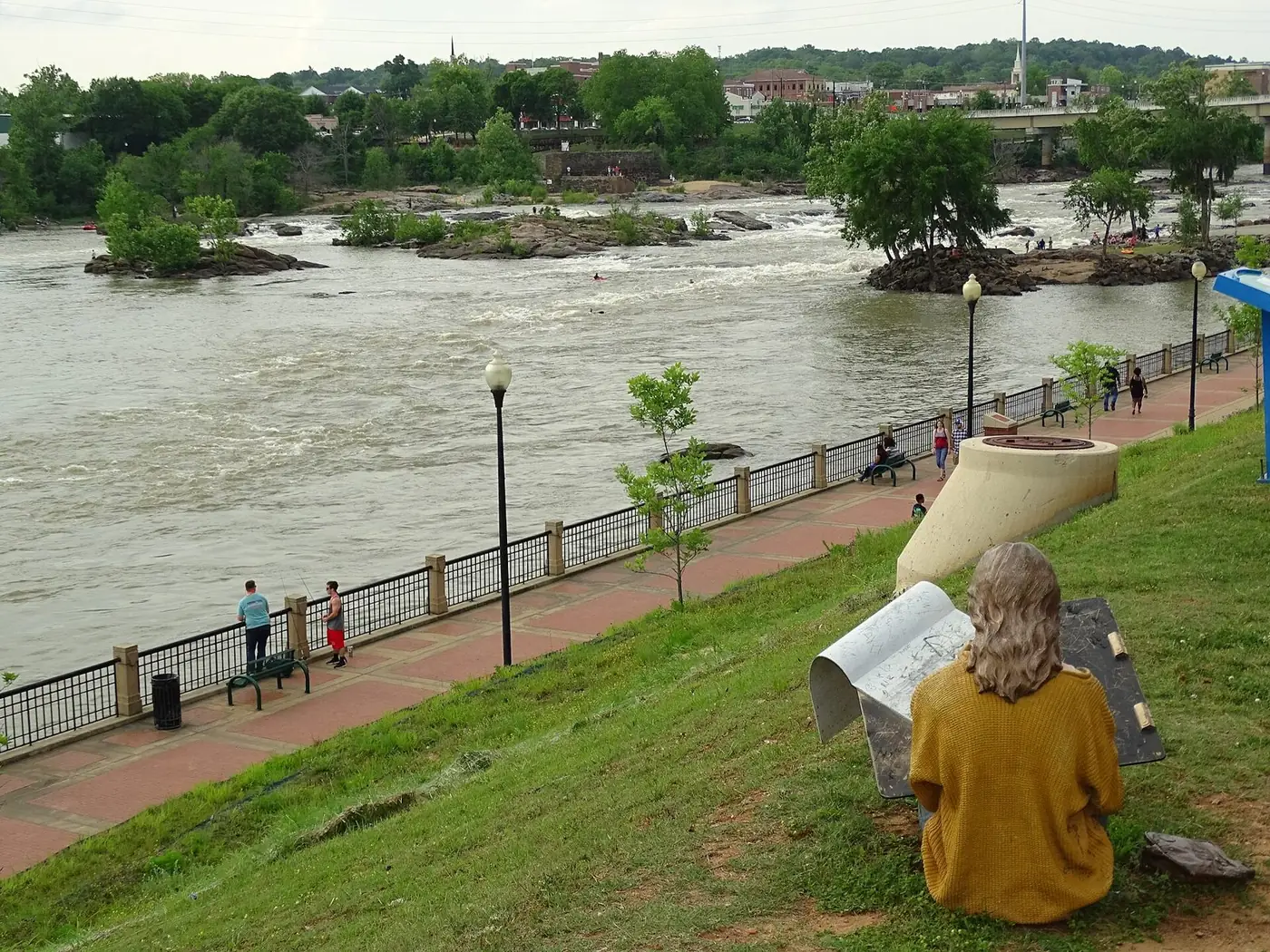
The city
A Fall Line city on the Chattahoochee
Columbus was founded in 1828 by an act of the Georgia Legislature and laid out on 1,200 acres along the Chattahoochee River, directly across from Phenix City, Alabama. With Augusta and Macon it is one of Georgia's three Fall Line cities. The city and Muscogee County share a consolidated government, and it is now the second most populous city in the state, home to Fort Benning, a 15-mile RiverWalk and a 2.5-mile urban whitewater course. It averages 48.82 inches of rain a year.
Requests also come from Midland, Fortson, Hamilton and across the river in Phenix City. All areas.
Common questions
Does Columbus GA Tree Removal do the cutting?
No. Columbus GA Tree Removal is an independent referral service, not a tree company. When you phone or fill in the form, your details are handed to a tree contractor in the area, and it's that contractor who sets the price, carries out the job and is accountable for it. We make no promises about any contractor's work.
Is there a charge for sending a request?
None to you. The tree contractors we pass requests to pay us for the referrals.
Do I need a permit from the city to take down a tree in my own yard?
We couldn't find a Columbus rule, in a form we can cite, that requires a permit for an ordinary tree on an existing home lot. The city's tree ordinance mainly covers development sites and trees on public land and rights-of-way, which need the City Arborist's permission. If the tree is near the street or you're unsure, ask the city through 311 first. See Columbus tree rules.
Will the city haul off a tree once it's cut?
Not with regular yard waste. Limbs up to 4 feet long and 6 inches across can go out as yard waste; trees cut on private property need a paid Tree for Fee pickup ($50 a load plus a $76.50-per-ton tipping fee). A contractor's own debris is the contractor's to haul. See limb pickup and Tree for Fee.
How can I tell if beetles are killing my pine?
The Georgia Forestry Commission's signs: small resin tubes and sawdust-like frass on the bark, and a crown that goes pale green, then yellow, red and finally brown. A drought-stressed pine may skip the resin tubes. See pine beetles and dying pines.
Get the tree priced
Phone us, or use the form, and a contractor based near Columbus will arrange to see the tree and give you a number. Nothing is charged for that.
If the voicemail picks up, say your street, what kind of tree it is, and whether it's still standing or already down.